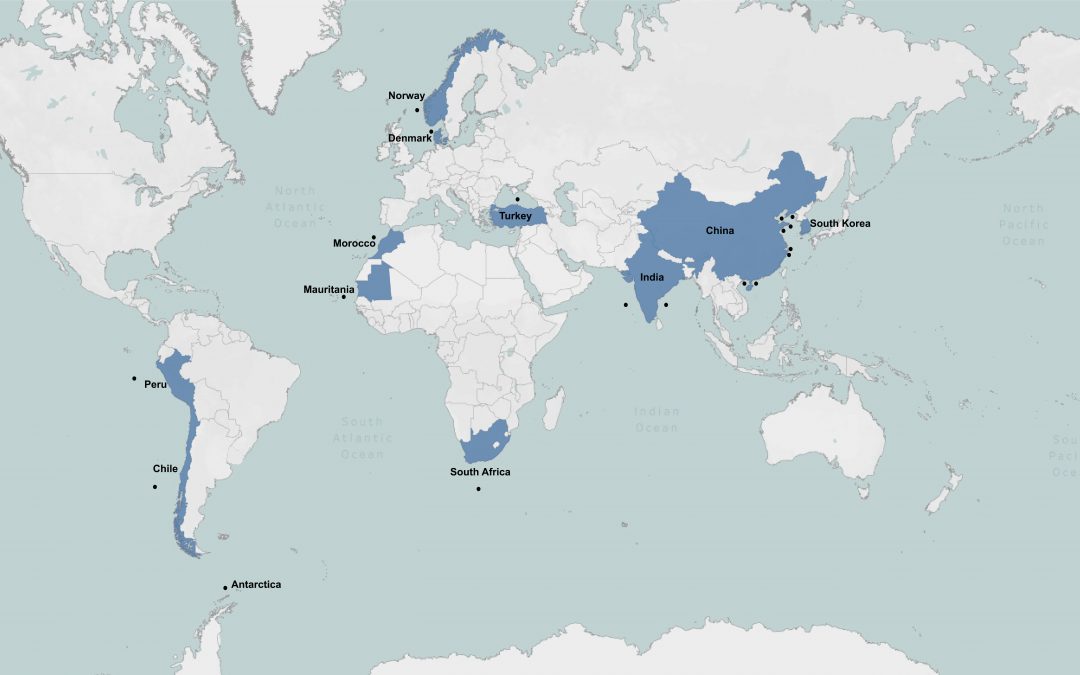
Plastic (as both micro- and macro- plastic) is an important environmental contaminant, affecting the food chain and directly entering into marine products, including seafood. However, plastic contamination in wild-derived fishmeal, a globally traded commodity, remains...
An investigation by BBC News has found that some plastic waste from Britain sent to Turkey for recycling is instead being dumped and burned on the side of roads. The UK sends more plastic waste to Turkey than to any other country, but critics say the country...
First results of our project Microbeach has been published in Environmental Pollution journal. In this study, 13 coastal areas in Iskenderun Bay (NE Levantine coast of Turkey) were sampled in May 2018 to investigate meso and macroplastic (0.5–123.4 cm) pollution. A...
The World Health Organization (WHO) calls in 22 August 2019 for a further assessment of microplastics in the environment and their potential impacts on human health, following the release of an analysis of current research related to microplastics in drinking-water....
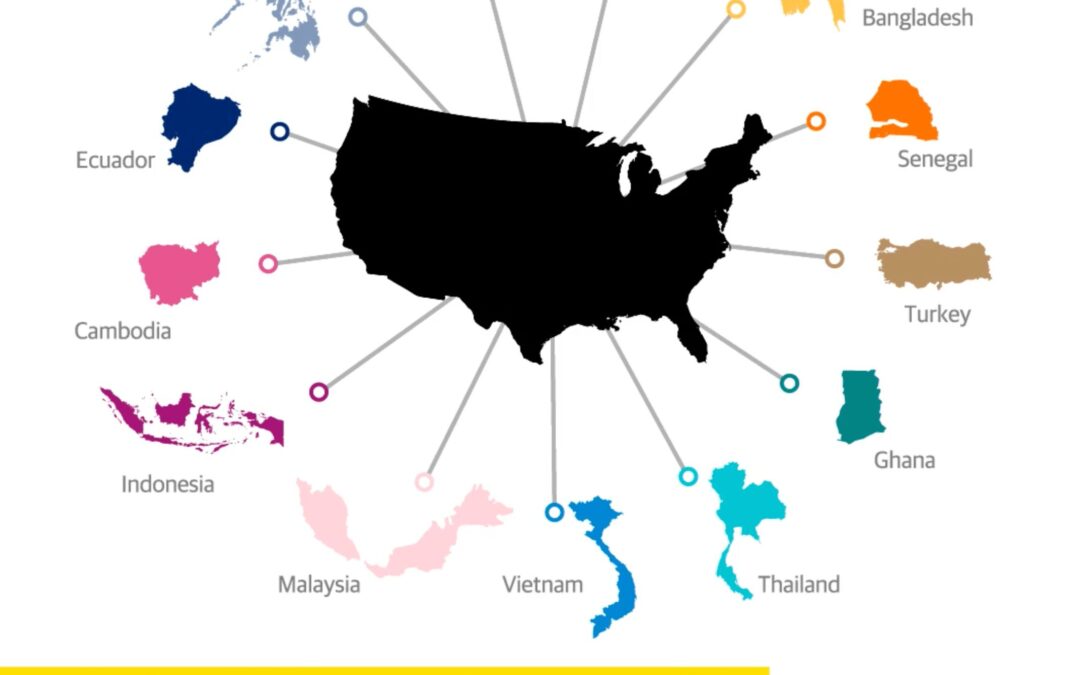
A report published by The Guardian last day, each month, about 10 ships pull into the ports of Istanbul and Adana, carrying about 2,000 tons of cheap US scrap plastic that is no longer wanted by China. Most of it comes from the ports of Georgia, Charleston, Baltimore...
Debris released by human activity on land can be washed by surface runoff or blown by wind into rivers and other watercourses and ultimately be transported into the ocean. Debris can also be directly dumped or discharged from boats or sewage plants into rivers (Rech...